
Paediatric Tumour Treatment in Malaysia
At Laparoscopy.my, children with suspected or diagnosed tumours can be assessed by a specialist paediatric surgeon to understand the condition and discuss suitable treatment options.
Dr Nada Sudhakaran is a Consultant Paediatric Surgeon & Urologist based in Malaysia, with experience in paediatric surgery and a special interest in laparoscopic and minimally invasive surgery. He provides specialist surgical care at Pantai Hospital Kuala Lumpur and Assunta Hospital Petaling Jaya.
Discuss Your Child’s Condition With A Paediatric Surgery Specialist!
Understanding Paediatric Tumours
Paediatric tumours are abnormal growths that can develop in different parts of a child’s body. Some may be benign, while others may require detailed investigation and specialist treatment. The symptoms and treatment approach can vary depending on the tumour’s type, size and location.
When a tumour is suspected, specialist assessment helps determine the appropriate diagnostic and treatment pathway. This may involve imaging, biopsy, surgery, or other forms of specialist care depending on the individual case.
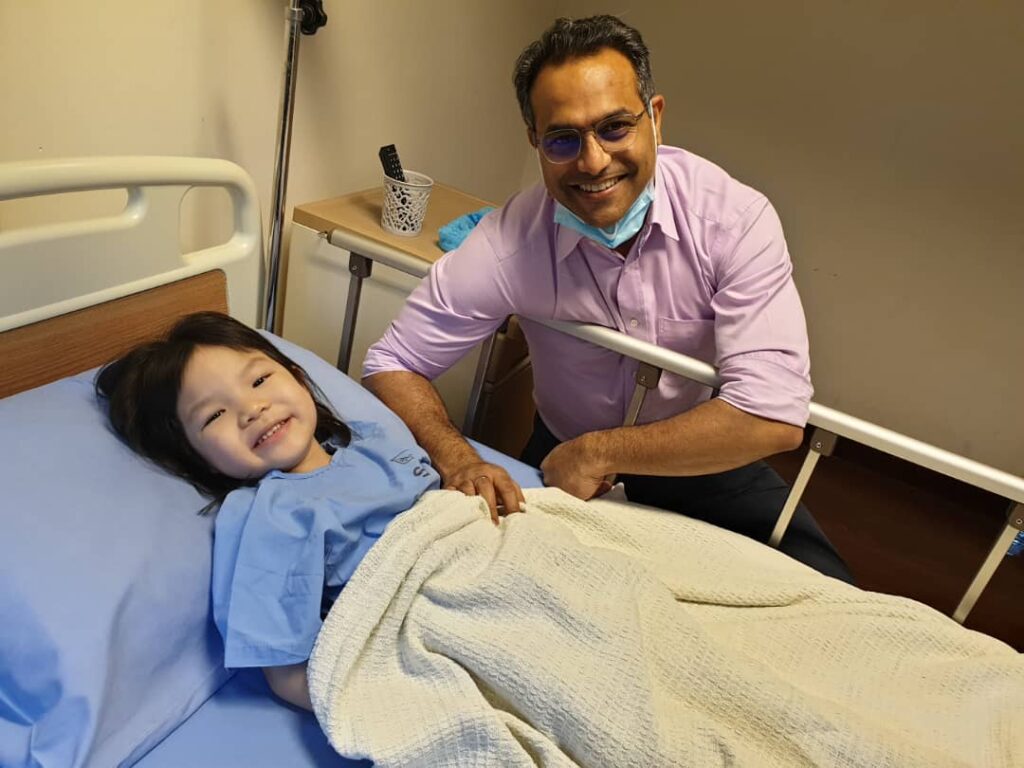
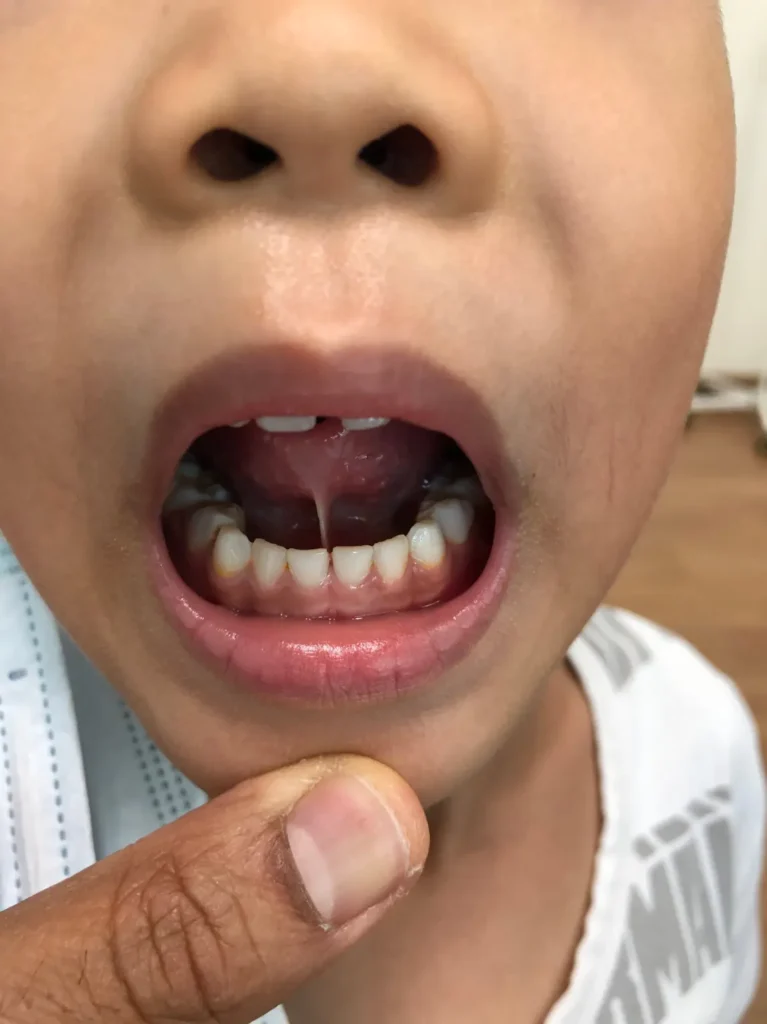
Symptoms of Paediatric Tumours
The symptoms of a childhood tumour can vary considerably depending on where it develops. Some children may develop a noticeable lump or swelling, while others may experience persistent abdominal pain, changes in appetite, unexplained weight loss or ongoing tiredness.
Other possible symptoms can include persistent fever, unusual bleeding, changes in bowel or bladder habits, difficulty breathing or pain that does not have an obvious cause. Some tumours may not cause clear symptoms in the early stages and may be identified during investigations for another condition.
These symptoms do not necessarily mean that a child has a tumour, as they can occur with many other childhood conditions. If unusual or persistent symptoms are present, a paediatric specialist can assess the child and determine whether further investigation is needed.
Long-Term Chemotherapy Line Insertion
Some children receiving chemotherapy may require a long-term venous access device to make repeated treatment easier to administer. Surgical insertion of long-term chemotherapy lines, such as chemoports or Hickman lines, may be performed as part of the child’s overall treatment plan.
The type of line used depends on the child’s treatment requirements and the recommendation of the medical team managing the child’s condition.
01
Tumour Biopsy for Diagnosis
A biopsy may be required to determine the type and characteristics of a tumour. In selected cases, the tumour biopsy can be performed using minimally invasive surgical techniques.
For tumours located in the abdomen, a laparoscopic biopsy may be considered. For certain tumours located in the chest, a thoracoscopic biopsy may be performed. The most appropriate approach depends on the location of the tumour and the child’s individual clinical circumstances.
02
Surgical Removal of Childhood Tumours
When surgical removal is recommended, the procedure is carefully planned according to the tumour’s location, size and relationship with surrounding structures.
Common types of tumours that may occur in children include Wilms tumour affecting the kidney, neuroblastoma commonly associated with the adrenal region, and testicular or ovarian tumours. Surgical management depends on the specific diagnosis and the overall treatment plan developed for the child.
03
Minimally Invasive Surgery for Selected Tumours
Laparoscopic and thoracoscopic techniques may be used for selected paediatric tumour procedures. These approaches use small surgical incisions and specialised instruments to access areas within the abdomen or chest.
For appropriate cases, minimally invasive surgery may be considered for procedures such as tumour biopsy. Whether a laparoscopic or thoracoscopic approach is suitable depends on the tumour and the child’s individual clinical condition.
04
Specialist Paediatric Surgical Care in Malaysia
Children require surgical care that takes their age, development and individual condition into consideration. Dr Nada Sudhakaran is a Consultant Paediatric Surgeon & Urologist with specialist training and experience in paediatric surgery, including reconstructive surgery and minimally invasive or keyhole procedures.
His practice covers a range of paediatric surgical conditions, allowing children to receive specialist surgical assessment and treatment planning based on their individual needs.
What Happens During the Consultation?
The first consultation provides an opportunity to discuss your child’s diagnosis, symptoms and previous investigations. Parents can bring scan reports, biopsy results, referral letters, and other relevant medical records for review.
Based on the available information, the paediatric surgeon can explain the possible surgical options and whether further investigations or treatment may be required.
Frequently Asked Questions
Paediatric tumours are abnormal growths that develop in children. They can occur in different parts of the body and may require investigation to determine their type and appropriate treatment.
Symptoms can vary depending on the tumour. Possible signs include an unusual lump or swelling, persistent abdominal pain, unexplained weight loss, reduced appetite, prolonged tiredness, persistent fever, or changes in bowel or bladder habits. These symptoms can also occur with many other childhood conditions.
Some childhood tumours that may require surgical management include Wilms tumour of the kidney, neuroblastoma, and testicular or ovarian tumours. The treatment approach depends on the individual diagnosis.
In selected cases, a tumour biopsy may be performed using laparoscopic surgery for abdominal tumours or thoracoscopic surgery for certain tumours in the chest. The appropriate approach depends on the child's condition.
Chemoports and Hickman lines are long-term venous access devices that may be surgically inserted for children who require ongoing chemotherapy or other long-term intravenous treatment.